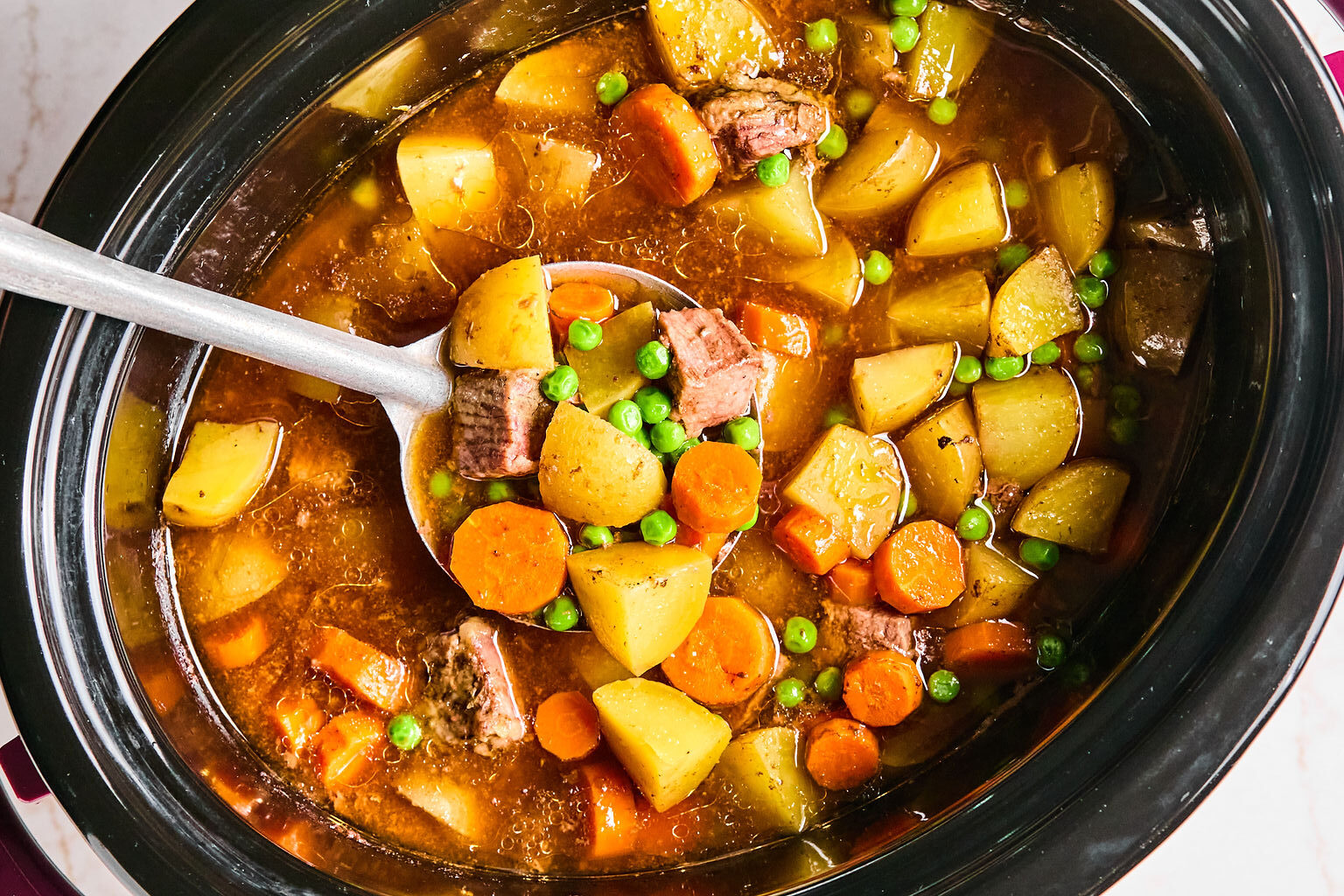
Beyond Dump-and-Go: Crafting a Rich, Deeply Flavored Slow Cooker Beef Stew
There are few dishes as universally comforting and satisfying as a hearty beef stew. The very mention conjures images of cozy evenings, robust aromas wafting through the kitchen, and spoonfuls of tender beef, soft vegetables, and a thick, savory gravy. While the slow cooker has long been hailed as the ultimate convenience tool for this classic, many home cooks settle for a basic "dump-and-go" approach, inadvertently sacrificing layers of flavor for ease. But what if you could achieve restaurant-quality depth and richness with only a little extra effort, still leveraging the slow cooker's magic? This article will guide you through the techniques that transform an ordinary slow cooker beef stew into an extraordinary culinary experience, proving that convenience and profound flavor can indeed coexist.
The Evolution of Comfort: From Peasant Fare to Crock-Pot Classic
The origins of beef stew can be traced back to European peasant cooking, particularly in medieval France. Resourceful cooks would take tough, inexpensive cuts of meat and braise them slowly in liquid, transforming them into tender, nourishing meals. This method was a testament to culinary ingenuity, making the most of available ingredients and providing sustained warmth and energy.
Fast forward to the 20th century, and the concept of slow-cooked comfort found a new champion: the slow cooker, famously popularized as the Crock-Pot. Introduced by Rival Manufacturing in 1971 with the evocative slogan, “cooks all day while the cook’s away,” this revolutionary appliance brought slow-simmered dishes like beef stew within reach of busy households. No longer did you need to babysit a simmering pot on the stove; the slow cooker did the heavy lifting, allowing ingredients to meld and develop flavor over hours with minimal hands-on effort. This convenience solidified slow cooker beef stew as a quintessential comfort food, prized for its accessibility and hearty satisfaction.
The Science of Savor: Building Unforgettable Flavor in Your Slow Cooker Beef Stew
The secret to moving beyond a bland, watery stew lies in understanding and applying a few key culinary principles. These techniques aren't complicated, but they are transformative:
- The Maillard Reaction: Browning for Depth: The most crucial step often skipped in "dump-and-go" recipes is searing the beef. Coating beef chunks lightly in flour (which also aids in thickening later) and then browning them in batches in a hot pan triggers the Maillard reaction. This complex chemical process creates hundreds of new flavor compounds, giving the beef a deep, savory, almost roasted flavor that permeates the entire stew. It’s the difference between merely cooked meat and truly flavorful meat.
- Aromatics: The Flavor Foundation: After searing the beef, the pan holds a treasure trove of browned bits. Sautéing your aromatics—onions, garlic, and celery—in the same pan not only softens them and brings out their sweetness but also helps scrape up those delicious brown bits (known as "fond") from the bottom of the pan. This fond is pure flavor gold.
- Deglazing: Capturing Every Ounce of Richness: Once the aromatics are softened, a splash of liquid like red wine or even beef broth into the hot pan allows you to deglaze, lifting any remaining fond. This concentrated flavor is then transferred directly to your slow cooker, ensuring no potential deliciousness is left behind. Red wine, in particular, adds an extra layer of complexity and acidity that balances the richness of the stew.
- Umami Boosters: The Secret Weapons: To achieve that deep, savory "umami" quality found in restaurant stews, integrate ingredients like tomato paste and Worcestershire sauce. Sautéing tomato paste for a minute or two before adding liquids helps to caramelize it, intensifying its flavor. Worcestershire sauce provides a savory tang and a hint of fermented complexity that deepens the overall taste profile.
- Intense Beef Stock: The Lifeblood: The quality of your liquid matters immensely. While water will technically cook the stew, a strong beef stock or broth is essential for a deeply flavored slow cooker beef stew. Boosting this with bouillon cubes or concentrated beef paste can further intensify that beefy richness. Consider reducing some broth beforehand to concentrate its flavor even more.
- Thoughtful Thickening and Finishing: The initial flour coating on the beef contributes natural thickening. If a glossier, thicker gravy is desired, a cornstarch slurry (cornstarch mixed with a little cold water) can be stirred in during the last 30 minutes of cooking. Finally, swirling in a knob of cold butter at the very end adds a luxurious silkiness and sheen to the gravy, elevating it to an art form.
Mastering the Art: Step-by-Step for Deep Flavor
Here’s how to put these techniques into practice for an exceptional slow cooker beef stew:
- Prepare Your Beef: Cut about 2-3 pounds of chuck roast (a preferred cut for its marbling and ability to tenderize beautifully) into 1.5-inch chunks. Pat them dry, then toss with 1/4 cup of all-purpose flour seasoned with salt and pepper.
- Sear the Beef: Heat 1-2 tablespoons of olive oil or vegetable oil in a large, heavy-bottomed skillet or Dutch oven over medium-high heat. Working in batches to avoid overcrowding, sear the beef on all sides until deeply browned. Remove seared beef to the slow cooker.
- Sauté Aromatics: Add a little more oil if needed to the same skillet. Add chopped onions, carrots, and celery (about 1 large onion, 2 carrots, 2 celery stalks) and sauté until softened, about 5-7 minutes. Add 3-4 cloves of minced garlic and 1-2 tablespoons of tomato paste, cooking for another minute until fragrant and the tomato paste darkens slightly.
- Deglaze the Pan: Pour in 1/2-1 cup of dry red wine (like Cabernet Sauvignon or Merlot) or beef broth. Scrape up all the browned bits from the bottom of the pan with a wooden spoon. Let it simmer for a minute or two to reduce slightly.
- Combine in Slow Cooker: Transfer the sautéed aromatics and deglazed liquid to the slow cooker with the seared beef. Add roughly 1.5-2 cups of additional chopped potatoes (e.g., Yukon Gold or red potatoes).
- Add Liquids and Seasonings: Pour in enough strong beef broth (approximately 3-4 cups, possibly boosted with a bouillon cube or concentrated paste) to mostly cover the ingredients. Add key flavor enhancers like 1-2 tablespoons of Worcestershire sauce, a bay leaf, and fresh herbs tied together (a sprig of rosemary and a few sprigs of thyme work wonderfully). Season generously with salt and black pepper.
- Slow Cook to Perfection: Cover and cook on low for 7-10 hours, or on high for 4-6 hours, until the beef is fall-apart tender and the vegetables are soft.
- Finish and Serve: Near the end of cooking, taste and adjust seasonings. If you desire a thicker gravy, whisk 1 tablespoon of cornstarch with 2 tablespoons of cold water to create a slurry, then stir it into the stew. Cook on high for another 15-30 minutes until thickened and glossy. For an extra touch of luxury, swirl in 1-2 tablespoons of cold butter before serving.
Tips for Perfection: Beyond the Basics
- The Right Cut: Chuck roast is king for slow cooker stews due to its marbling and connective tissue, which breaks down into gelatin during slow cooking, enriching the stew and keeping the meat moist.
- Vegetable Variety: Don't limit yourself to carrots and potatoes. Consider adding parsnips, turnips, or even mushrooms (add these during the last hour for best texture). For a touch of freshness, stir in some frozen peas during the last 15 minutes of cooking.
- Fresh Herbs are Key: While dried herbs have their place, fresh thyme and rosemary contribute a vibrant aroma and flavor that dried versions often lack. Add them in bundles or tied with kitchen twine for easy removal.
- Taste and Adjust: Seasoning is personal. Taste your stew before serving and adjust salt, pepper, and perhaps a dash more Worcestershire or a squeeze of lemon juice (for brightness) until it sings.
- Embrace Leftovers: Like many braised dishes, slow cooker beef stew often tastes even better the next day, as the flavors continue to meld and deepen. This makes it an ideal make-ahead meal for easy entertaining or satisfying weekday lunches. For more insights on maximizing flavor and convenience, consider reading Elevate Your Slow Cooker Beef Stew: Restaurant-Quality Flavor, Effortless Comfort.
- Serving Suggestions: A hearty stew demands an equally hearty accompaniment. Serve your deeply flavored stew with crusty bread for soaking up every last drop of gravy, creamy mashed potatoes, polenta, or even a light side salad to cut through the richness. If you're looking for additional ideas for chilly evenings, The Ultimate Comfort: Easy Slow Cooker Beef Stew for Cozy Winter Nights offers fantastic inspiration.
Crafting a truly exceptional slow cooker beef stew is about more than just convenience; it's about intentional flavor building. By embracing a few simple, yet powerful, culinary techniques, you can transform a humble pot of ingredients into a profoundly delicious and deeply satisfying meal that transcends the "dump-and-go" stereotype. The minimal extra effort is richly rewarded with a stew that boasts fall-apart tender beef, perfectly softened vegetables, and a rich, savory gravy that clings to every forkful, making it a true masterpiece of comfort food.
